
Federal Trademark Registration for Long Island Businesses
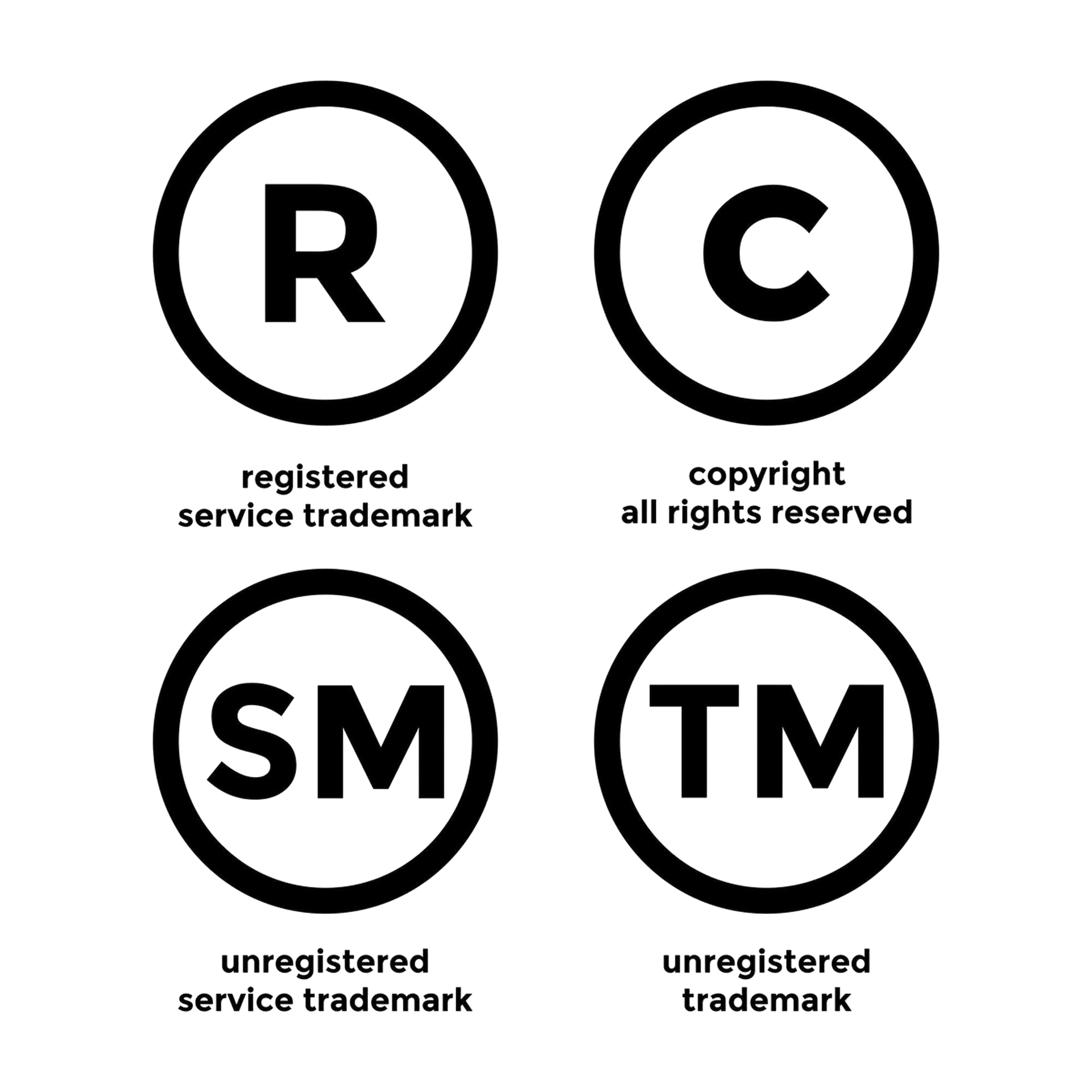
™ tells people you claim the mark. ® tells them you own it. Trademark Registration is not a form — it's a legal process with real consequences if it's handled incorrectly. Our attorneys manage the entire USPTO registration process for Long Island and New York small businesses, from clearance search through final approval and beyond.
What Federal Trademark Registration Actually Protects
Filing for federal trademark registration does more than put a symbol next to your business name. Once your mark is registered on the USPTO Principal Register, it carries a specific set of legal rights that unregistered marks — even those using ™ — simply do not have.
Federal registration gives you:
- The exclusive right to use the mark nationwide in connection with your registered goods or services
- The right to sue for trademark infringement in federal court
- The ability to record the registration with U.S. Customs and Border Protection to block infringing imports
- A public record of ownership that puts competitors on legal notice
- The right to use the ® symbol, which signals registered federal protection
These are not procedural benefits. They are enforceable legal rights. A business that relies on ™ alone has a claim — a business with federal registration has standing.
Why Trademark Registration Errors Are Costly and Common
Many business owners attempt to file a trademark application directly through the USPTO's TEAS system. The application itself is accessible, but the legal decisions embedded in it are not. Errors made at the filing stage can invalidate an application, result in abandonment, or leave a registration so narrow it fails to protect the mark in practice.
The most common filing mistakes we see:
- Incorrect class selection: Trademark protection is limited to the international class or classes specified in the application. Filing in the wrong class means your mark may be unprotected in the category where you actually compete.
- Inadequate specimen submissions: The USPTO requires proof that the mark is in active commercial use. Submissions that don't meet the evidentiary standard are rejected.
- Failure to respond to office actions: The USPTO issues office actions — formal legal objections — that require substantive written responses within a strict deadline. Missing the deadline or responding inadequately results in abandonment of the application.
- Descriptive or generic mark selection: Marks that are too descriptive of the underlying goods or services face refusal. Identifying this risk before filing saves time, fees, and the mark itself.
Filing fees paid to the USPTO are non-refundable. An application that fails takes the filing fee with it. Attorney-handled applications are structured to avoid these errors before submission — not after.
The Federal Trademark Registration Process
Registering a trademark with the USPTO follows a defined sequence. Each stage involves legal decisions that affect the strength and scope of the final registration. Here is how the process works when our firm handles it.
Trademark Maintenance: Keeping Your Registration Active
Registration is not permanent by default. Federal trademark registrations require ongoing maintenance filings to remain active and enforceable. Between the fifth and sixth year after registration, owners must file a Section 8 Declaration of Continued Use. At the ten-year mark, a combined Section 8 and Section 9 Renewal is required. Missing these deadlines results in cancellation of the registration — and a trademark that lapses is a trademark you lose.
We track maintenance deadlines for our clients and handle the required filings, including updated specimens of use, so your registration stays current without requiring you to monitor USPTO timelines yourself.
Trademark Clearance Search
Before any application is filed, we conduct a comprehensive clearance search of the USPTO database, state trademark registries, and common law sources to identify existing marks that could conflict with yours. A mark that clears search is far more likely to survive examination and opposition. A mark that doesn't is better identified before you invest in an application — or build a brand around it.
Mark Selection and Class Identification
We work with you to confirm the mark as it will appear in the application — word mark, design mark, or both — and identify the correct international class or classes covering your goods and services. Class selection determines the scope of your protection. Getting it right at the outset is one of the most important legal decisions in the registration process.
Application Preparation and USPTO Filing
We prepare and file the application through the USPTO's TEAS system, including the identification of goods and services, the basis for filing (use in commerce or intent to use), and the specimen of use where required. Every element of the application is reviewed before submission to minimize the risk of office action.
Office Action Response and Registration
USPTO examining attorneys frequently issue office actions raising procedural or substantive objections. We draft and file substantive responses on your behalf, addressing refusals, identification issues, and likelihood-of-confusion rejections. Once the mark clears examination and the opposition period, the USPTO issues a Notice of Allowance or Certificate of Registration. We handle all correspondence through that final step.
Why Long Island Businesses Work With Our Firm on Trademark Matters
Our practice is limited exclusively to business law. We do not handle personal injury, family law, or general litigation. Every matter that comes through our office involves a business owner — which means our attorneys understand the commercial context behind a trademark registration, not just the procedural steps.
When you work with us, you work directly with the attorney handling your matter. Not a paralegal. Not a junior associate. The attorney managing your trademark application is the attorney you speak with, the one reviewing your clearance search results, and the one drafting your office action responses.
Our office is located in Amityville, NY, and we represent businesses throughout Long Island, including Nassau County and Suffolk County, as well as clients in New York City. If you're searching for a trademark registration attorney in New York who focuses on small business matters and handles the full registration process — not just the initial filing — we're the firm to call.
Frequently Asked Questions About Trademark Registration
What is the difference between a state trademark and a federal trademark?
A state trademark registration, filed through the New York Department of State, provides protection only within New York. Federal trademark registration through the USPTO provides nationwide protection and gives the owner the right to sue for infringement in federal court. For most businesses building a brand, federal registration is the stronger and more commercially valuable form of protection.Can I file a trademark application myself without an attorney?
The USPTO allows applicants to file without an attorney, but the registration process involves legal decisions — class selection, identification of goods and services, specimen requirements, and office action responses — that carry real risk if handled incorrectly. Filing errors result in rejection, abandonment, or a registration so narrow it fails to protect your mark in practice. Attorney-handled applications are structured to avoid those outcomes before they occur.What happens if my trademark application is rejected?
The USPTO issues a formal office action explaining the basis for rejection. Common grounds include likelihood of confusion with an existing mark, a descriptive mark that lacks distinctiveness, or procedural deficiencies in the application. Most rejections can be addressed through a substantive written response. Our attorneys draft and file office action responses on behalf of our clients. If the rejection cannot be overcome, we advise on alternative strategies, including amending the application or selecting a different mark.How long does federal trademark registration last?
A federal trademark registration is valid for ten years from the date of registration and can be renewed indefinitely in ten-year increments. However, maintenance filings are required between the fifth and sixth year after registration and again at the ten-year renewal. Failure to file on time results in cancellation of the registration.How do I know if my trademark is still active?
Trademark registrations can be searched in the USPTO's TESS database, which shows the current status of any registered or pending mark. If you registered a trademark previously and are uncertain whether it is still active, we can review the status of your registration and advise on any maintenance filings needed to keep it current and enforceable.
Ready to Register Your Trademark?
Trademark registration is a legal process with filing deadlines, USPTO correspondence, and maintenance requirements that extend well beyond the initial application. Our attorneys manage the full process for Long Island and New York businesses — from clearance search through registration and ongoing maintenance — so your mark is protected the right way from the start.