Your Brand Is an Asset. Register It Before Someone Else Does.
Most Long Island business owners have spent years building a name worth protecting — and most haven't registered a trademark to prove they own it. We help businesses search, register, and secure their trademarks through the USPTO so that the brand equity you've built stays yours.
Using Your Name and Owning Your Name Are Two Different Things
Operating under a business name for years does not give you ownership of it. Without a registered trademark, another business can adopt the same name, register it first, and leave you facing a rebrand — or worse, a cease-and-desist letter. Federal trademark registration establishes your priority rights in the mark and gives you the legal tools to enforce them.
This matters whether you're launching a new brand or have been operating without protection for years. Both situations are common. Both are fixable.

Trademark Registration and Clearance Search: Two Stages, One Connected Process
Trademark protection isn't a single step — it's a sequence. The search comes first. Registration follows. Skipping the clearance search and going straight to filing is one of the most expensive mistakes a business owner can make.
Trademark Registration
Once the clearance search confirms your mark is available, we handle the full USPTO registration process — application preparation, class identification, specimen requirements, office action responses, and prosecution through to registration. The USPTO process is not self-service. One filing error can result in a rejected application or a registration that doesn't cover what you think it covers. We handle it correctly the first time.
Trademark Clearance Search
Before you invest further in a brand identity, you need to know whether someone else is already using it. A trademark clearance search examines existing registered and unregistered marks to identify potential conflicts before they become legal problems. This is the cheapest insurance your brand can have — and the step most businesses skip.

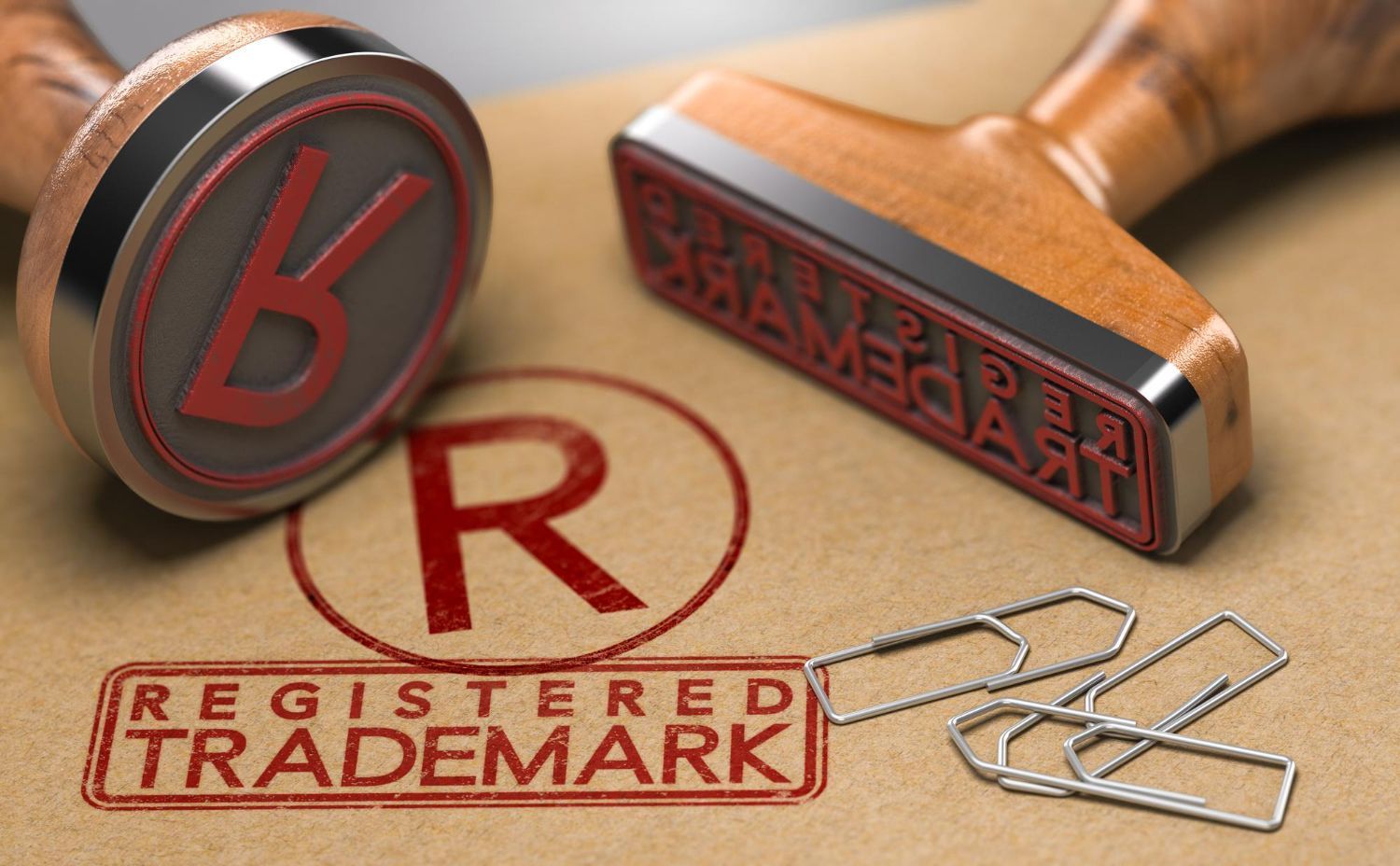
What Is a Trademark — and How Is It Different from a Copyright or Patent?
These three terms get used interchangeably, and they mean entirely different things. Understanding the distinction helps you know exactly what you're protecting.
Trademark
Protects a brand identifier — a business name, logo, slogan, or other mark that distinguishes your goods or services in the marketplace. Trademarks are registered through the USPTO at the federal level or through state agencies for more limited protection.
Copyright
Protects original creative works — written content, music, artwork, software code. Copyright protection arises automatically at the moment of creation and does not require registration, though registration strengthens enforcement rights.
Patent
Protects inventions, processes, and novel designs. Patents are a separate area of intellectual property law and are not part of my practice.
If your goal is protecting your business name, logo, or brand identity, a trademark is what you need.
State Registration vs. Federal Registration: Which One Do You Need?
New York offers state trademark registration through the Department of State, but state registration only protects your mark within New York. Federal registration through the USPTO gives you nationwide protection, the legal presumption that you own the mark, and the right to use the ® symbol. For any business with growth ambitions — or any business selling online — federal registration is the standard worth pursuing.
Why Long Island Business Owners Work With Us on Trademark Matters
- Every trademark matter is handled directly by your attorney — not a paralegal or associate reviewing your file after the fact
- We practice business law exclusively, which means trademark work is not a side service we offer between unrelated cases
- Our office is in Amityville, serving businesses across Nassau County, Suffolk County, and New York City

Frequently Asked Questions About Trademark Registration in New York
What is a trademark?
A trademark is any word, name, symbol, logo, or slogan that identifies the source of your goods or services and distinguishes them from competitors. When you register a trademark, you establish legal ownership of that identifier and gain the right to prevent others from using a confusingly similar mark in your industry.
How long does it take to register a trademark?
Federal trademark registration through the USPTO typically takes eight to twelve months from the date of filing, assuming the application proceeds without significant issues. If the USPTO issues an office action requiring a response, the timeline extends. We manage the full process and respond to any office actions on your behalf.
Can I trademark my business name?
In most cases, yes — provided the name is distinctive enough to qualify for registration and a clearance search confirms no conflicting prior marks exist. Generic or purely descriptive names face higher hurdles at the USPTO. A clearance search and attorney review before you file will tell you where your mark stands.
What happens if someone is already using my business name?
It depends on who used it first and whether either party has a registered mark. If the other party registered first, you may face a conflict that limits your ability to continue using the name in certain markets. If you've been using the name longer, you may have common law rights worth protecting. Either way, this is a situation that requires legal analysis before you take any action.
How is a trademark different from a copyright?
A trademark protects brand identifiers — names, logos, slogans — used in commerce to identify your business. A copyright protects original creative works like written content, artwork, or music. The two protections are distinct and sometimes overlap: a logo, for example, may be protectable under both trademark and copyright law.
How do I register a trademark in New York?
For federal protection — which is what most businesses should pursue — registration is filed through the USPTO, not a New York state agency. The process involves a clearance search, application preparation, class selection, specimen submission, and prosecution through any office actions the USPTO raises. We handle each step so the application is filed correctly and your registration covers what it's supposed to cover.
Ready to Protect Your Brand?
A trademark dispute after the fact costs far more than registration before it. If you've been building a brand without registering it — or you're about to launch and want to get this right from the start — schedule a consultation and we'll talk through where your mark stands and what protection makes sense for your business.